La seta artificiale o "rayon" o "viscosa" è una fibra trasparente derivata dalla cellulosa rigenerata. Poiché è prodotta a partire da polimeri naturali, non è né una fibra sintetica, né una fibra naturale, bensì una fibra semi-sintetico o artificiale. Di solito ha una qualità alta lucentezza dandogli una lucentezza brillante. La seta naturale è solitamente 10 volte più costosa di quella artificiale
Silk is a natural protein fibre, some forms of which can be (hand) woven into valuable textiles. The best-known type of silk is obtained from the cocoons of the larvae of the mulberry silkworm "Bombyx mori" reared in captivity. The shimmering appearance of silk is due to the triangular prism-like structure of the silk fibre, which allows silk cloth to refract incoming light at different angles. Silks are produced by several other insects or arachnids, but only the silk of moth caterpillars has been used for textile manufacturing.
The artificail silk, or "rayon" or "viscose" is a manufactured regenerated cellulose fiber. Because it is produced from naturally occurring polymers, it is neither a truly synthetic fiber nor a natural fiber; it is a semi-synthetic or artificial fiber. Natural silk is usually 10 times more expensive than artificial silk.
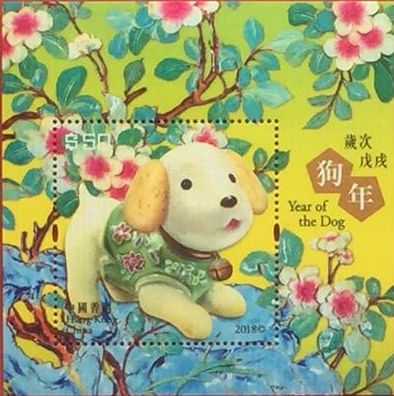
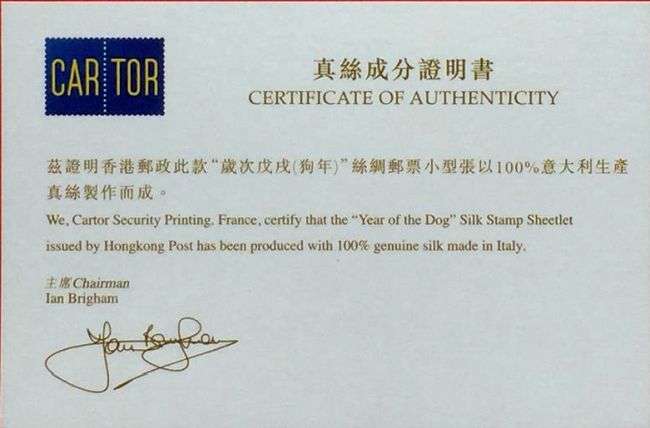
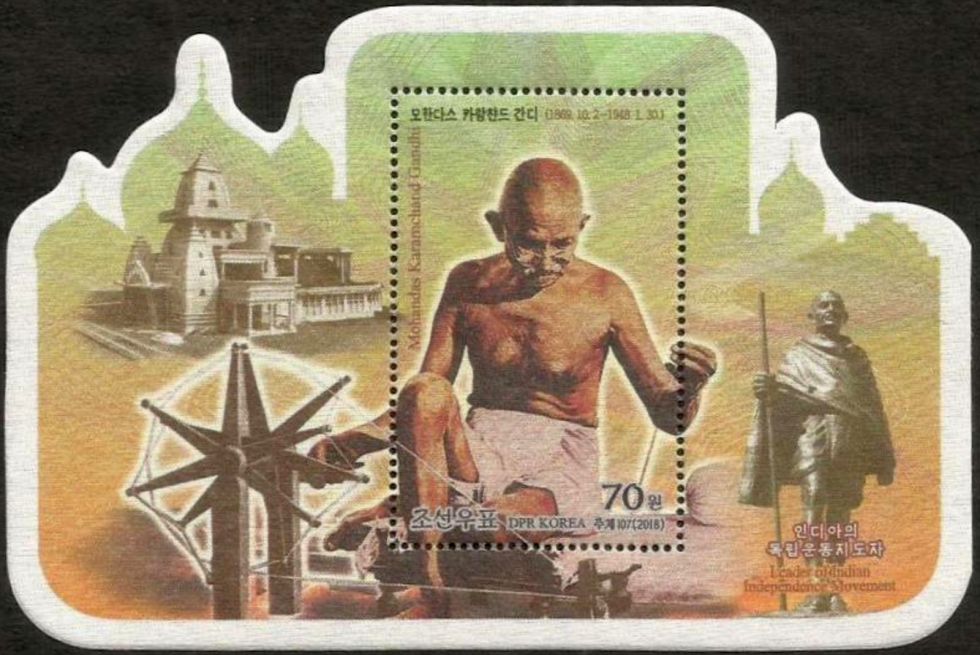
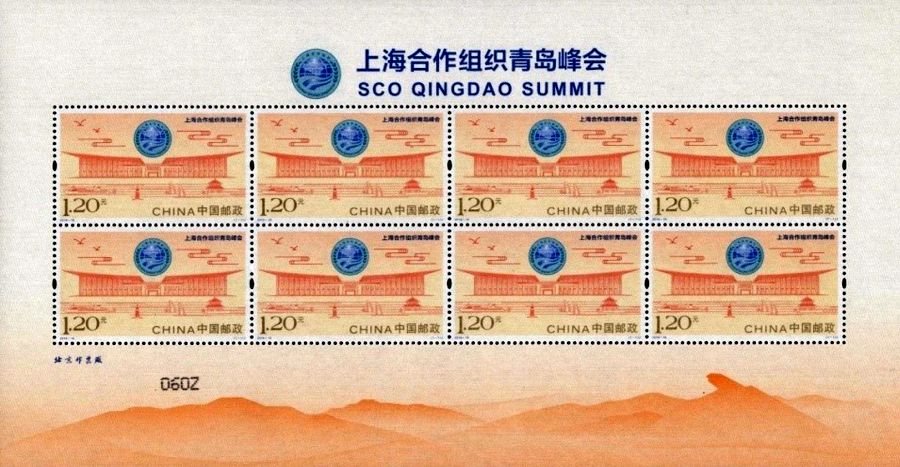
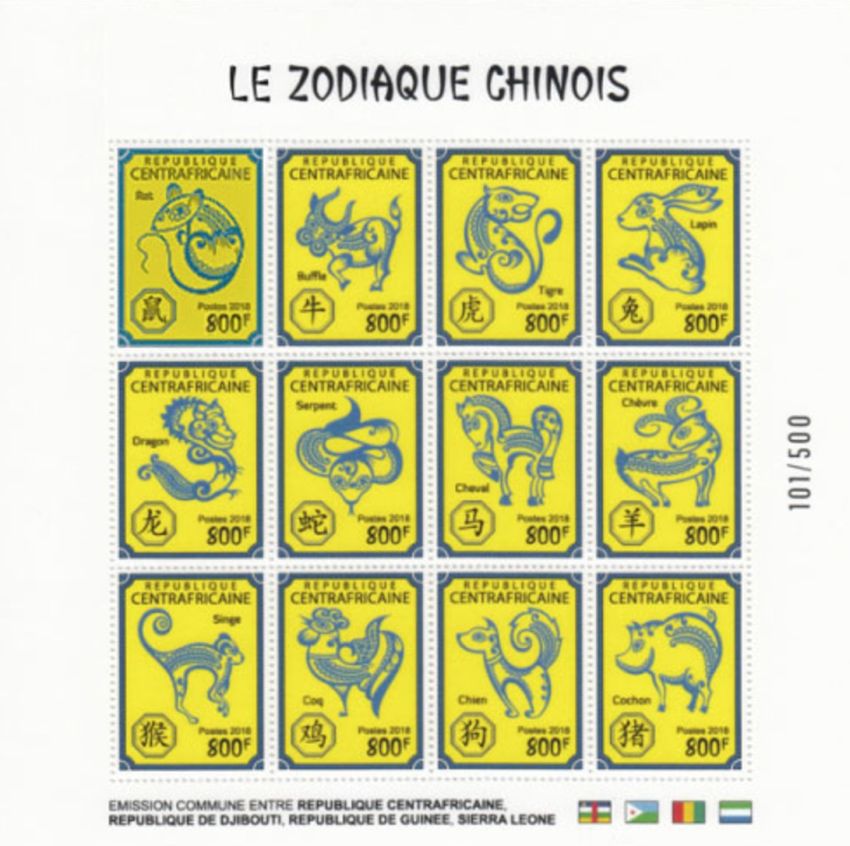
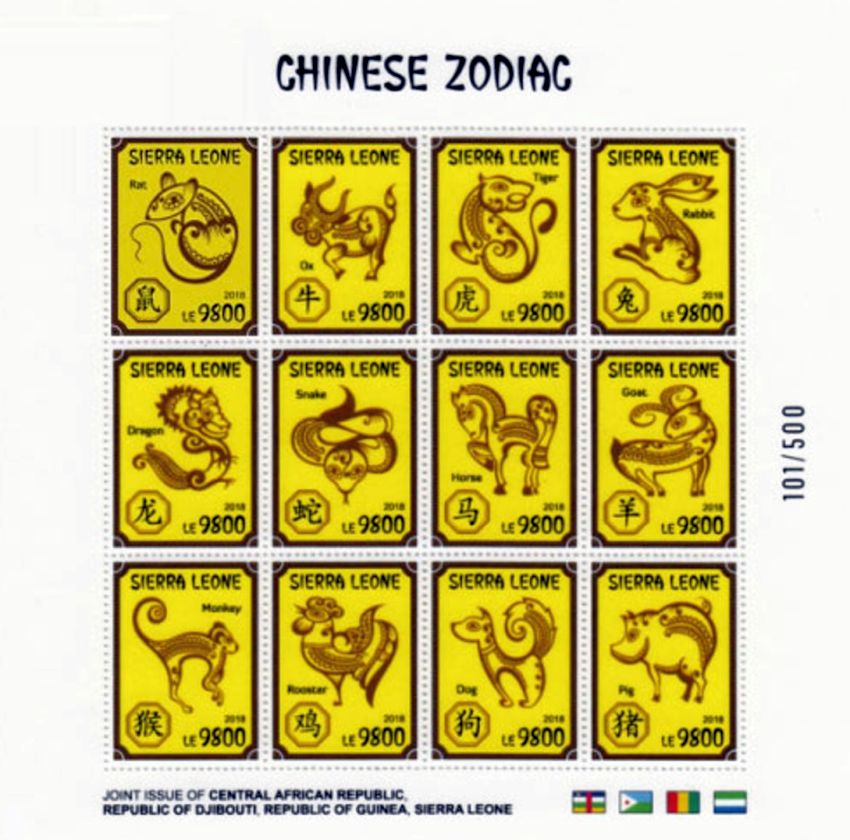
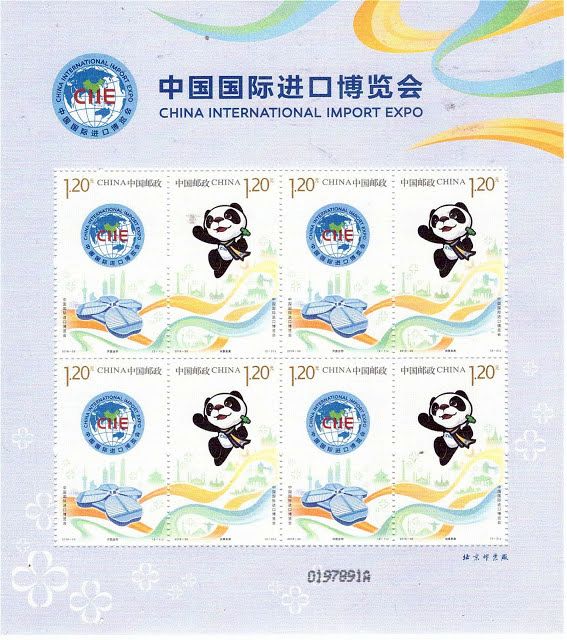
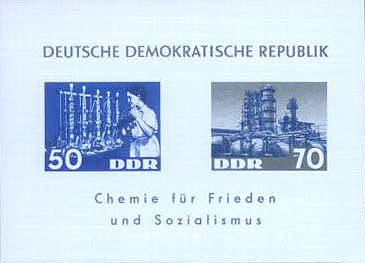
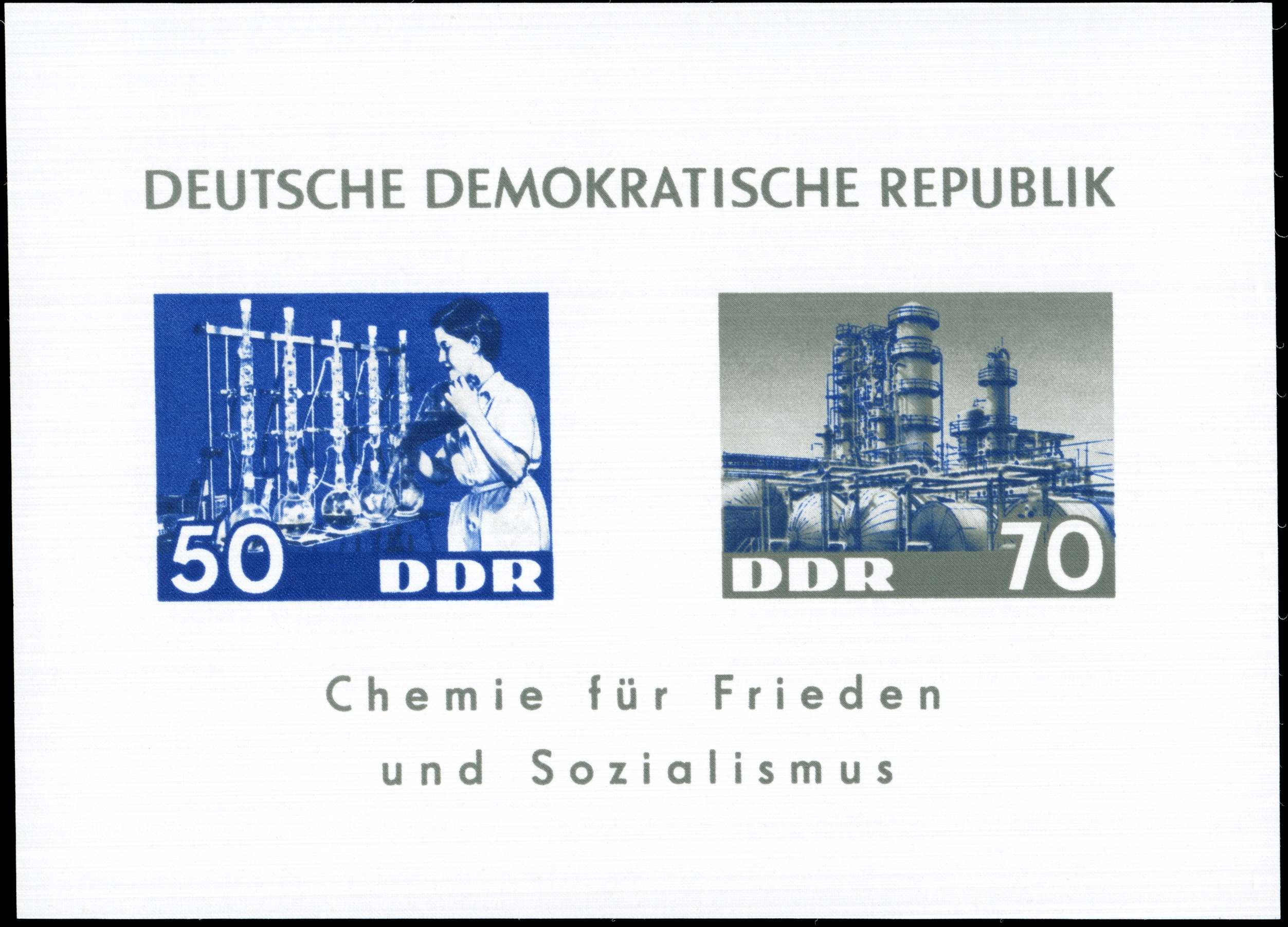
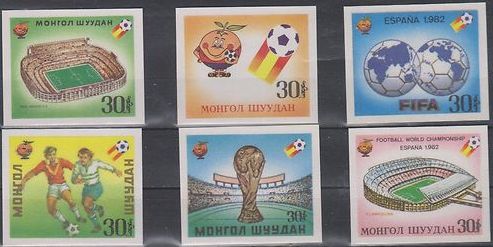
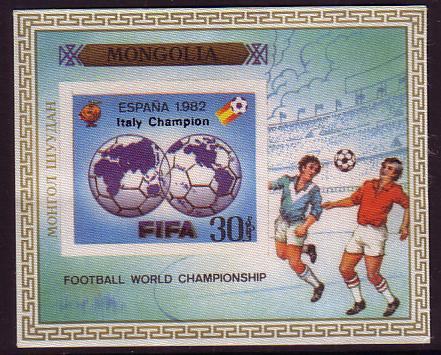
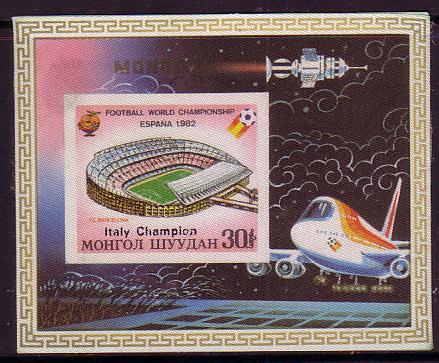
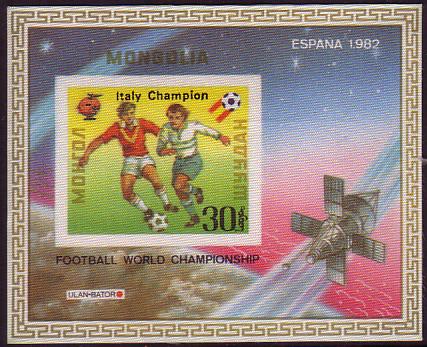
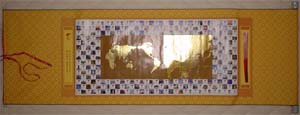
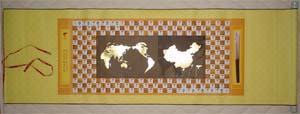
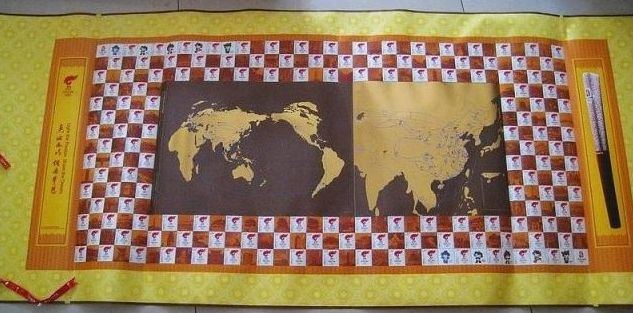
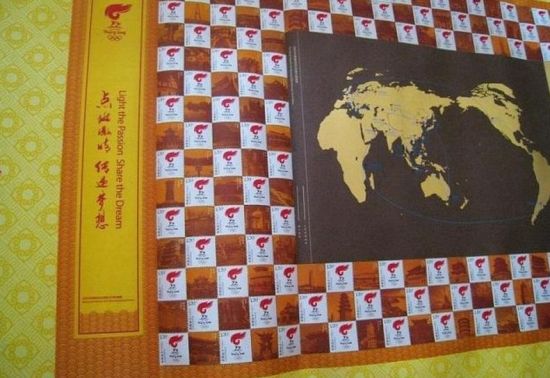
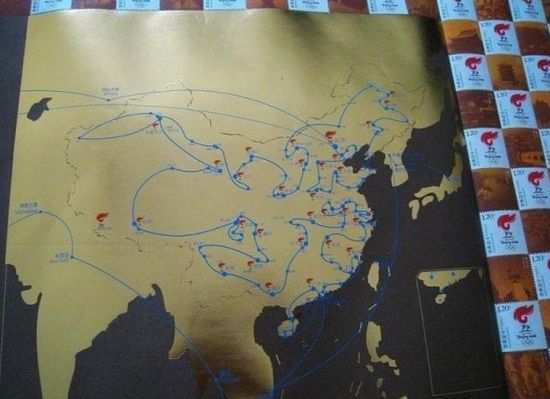
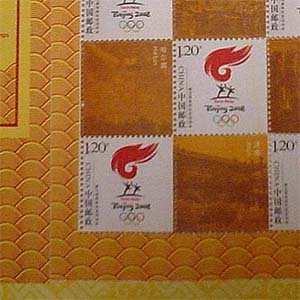
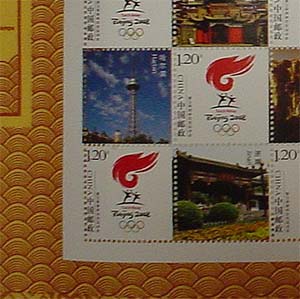
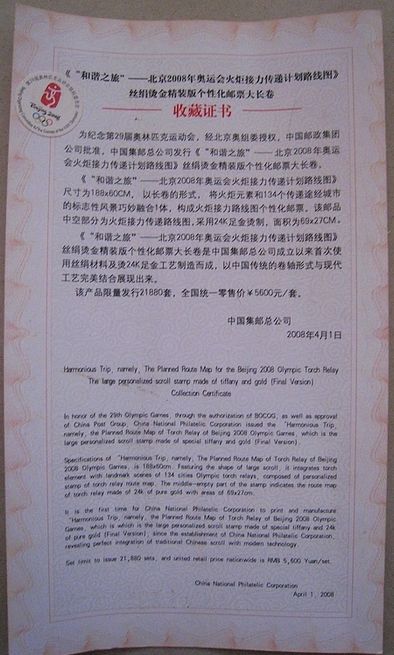
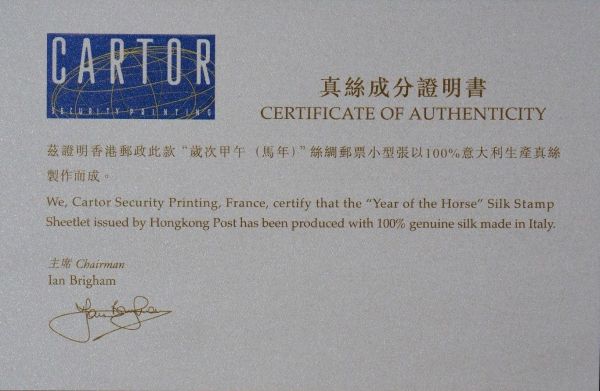
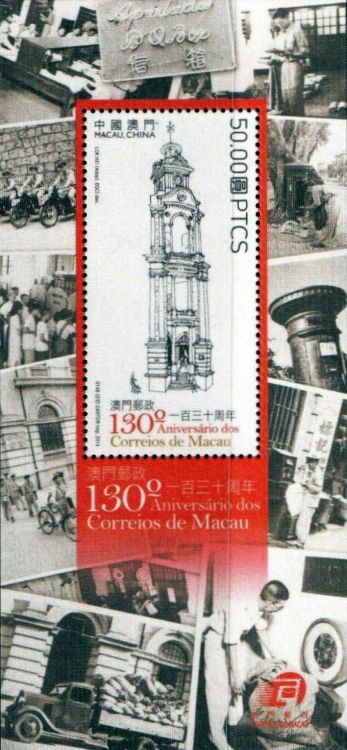
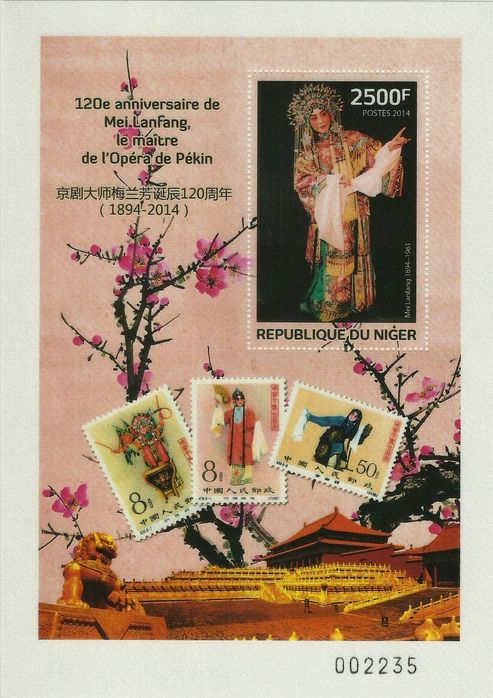
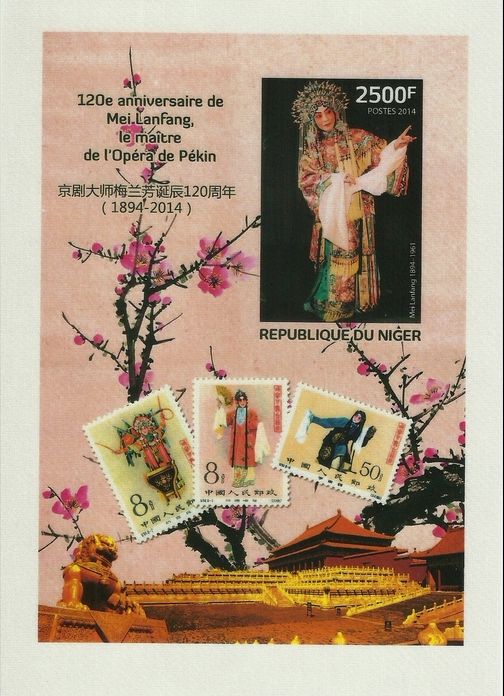
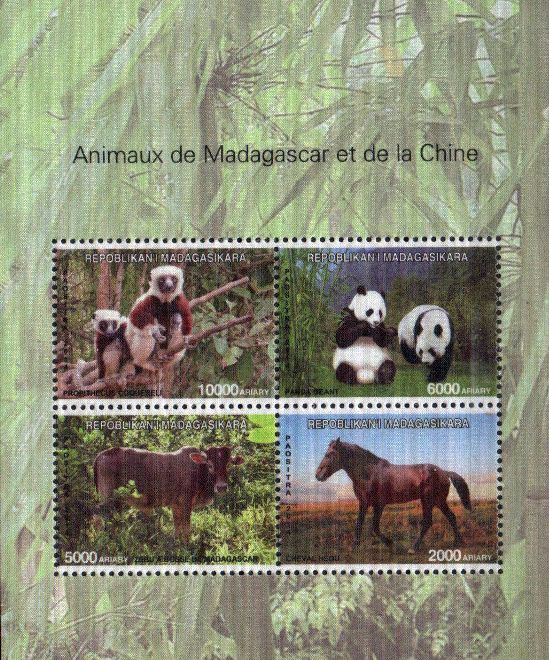
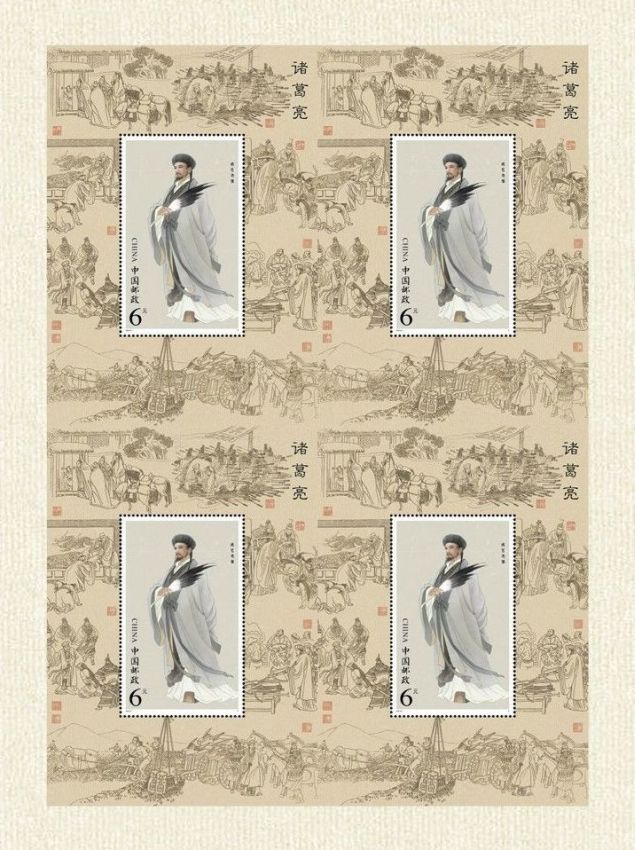
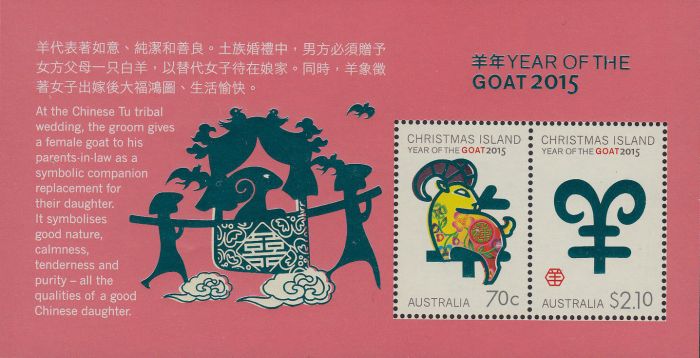
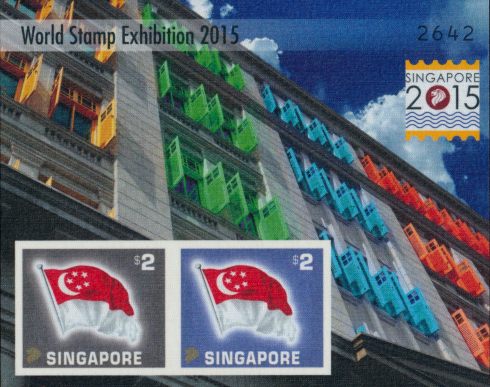
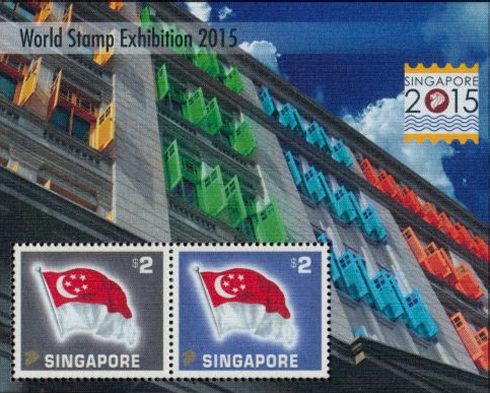
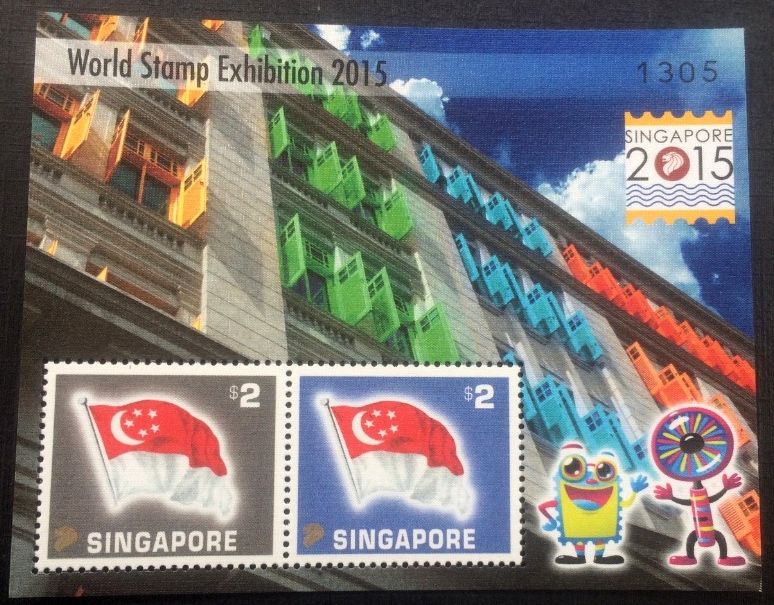
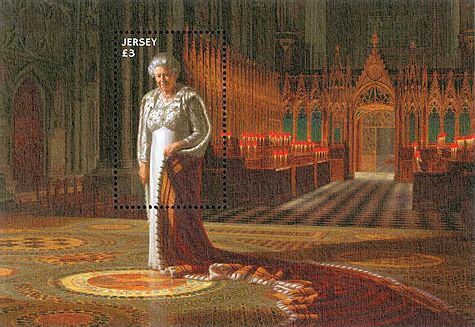
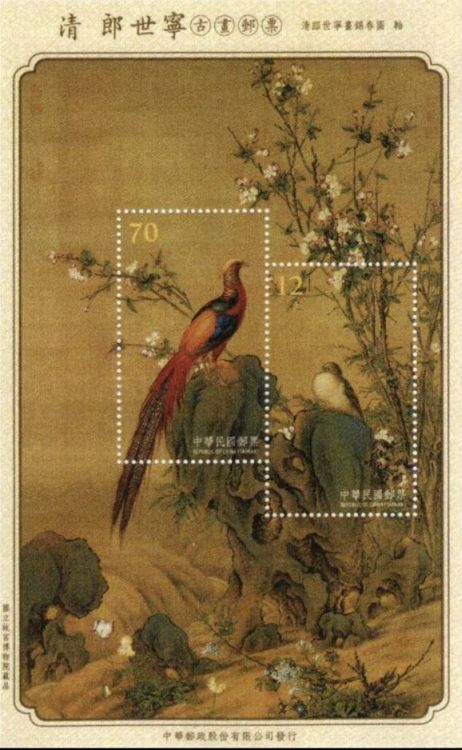
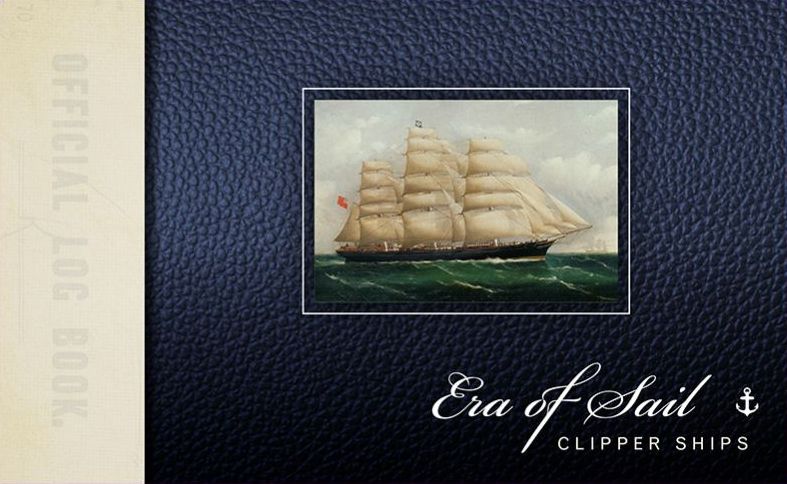
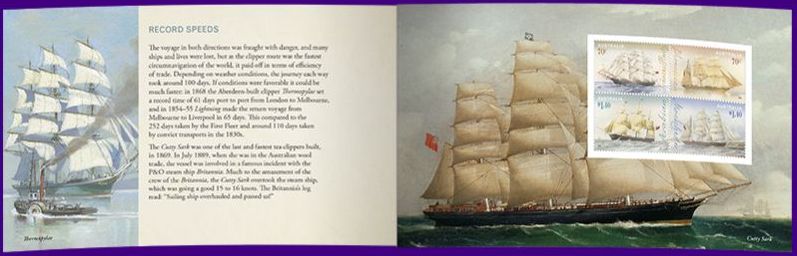
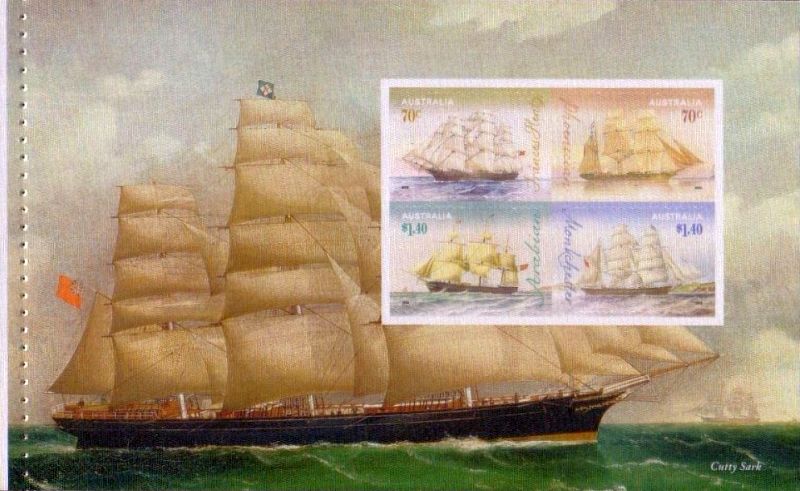
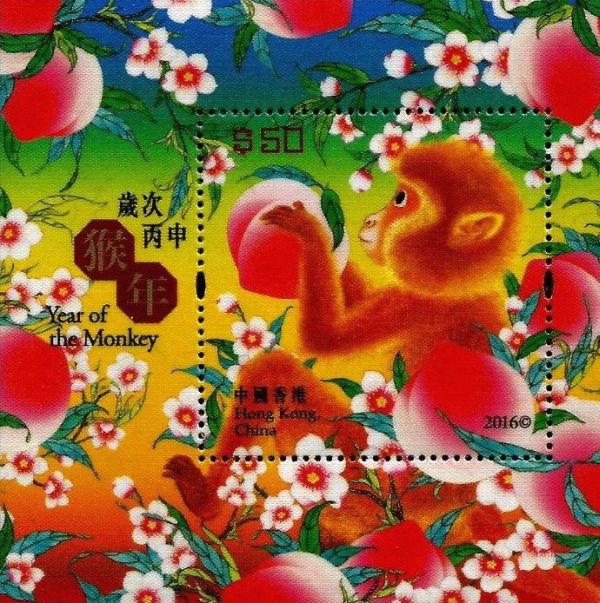
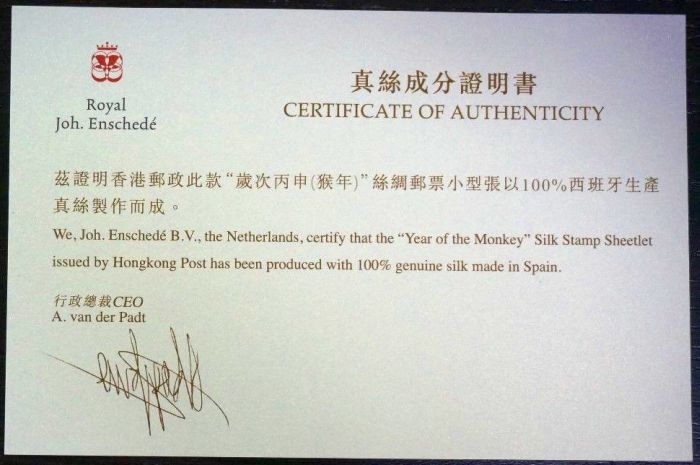
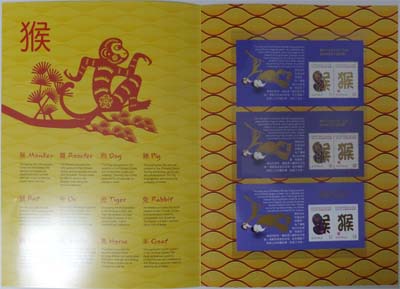
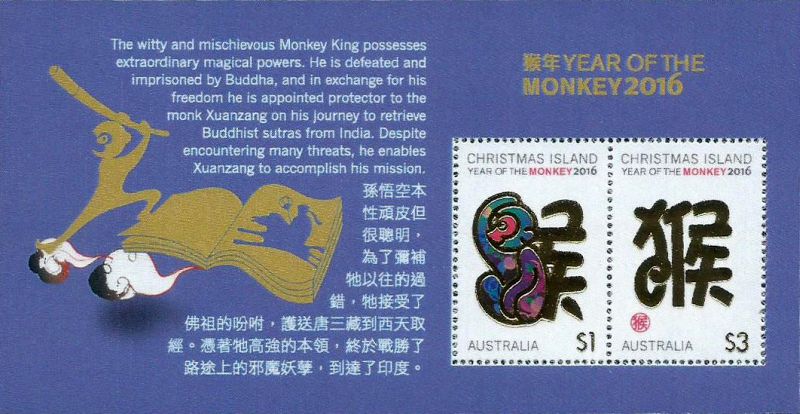
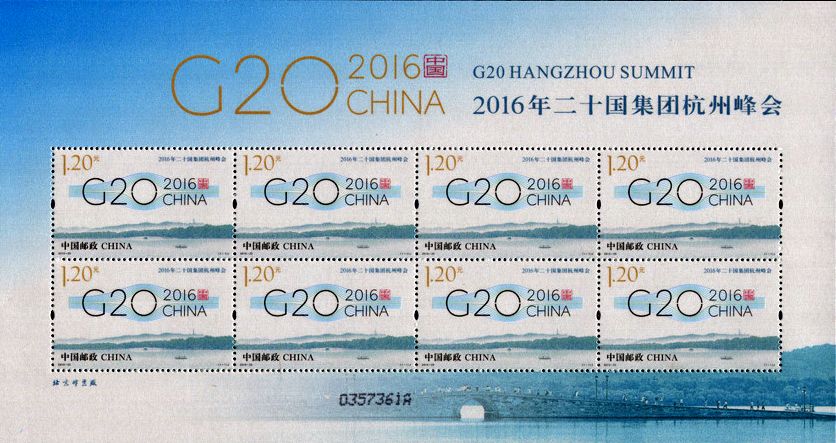
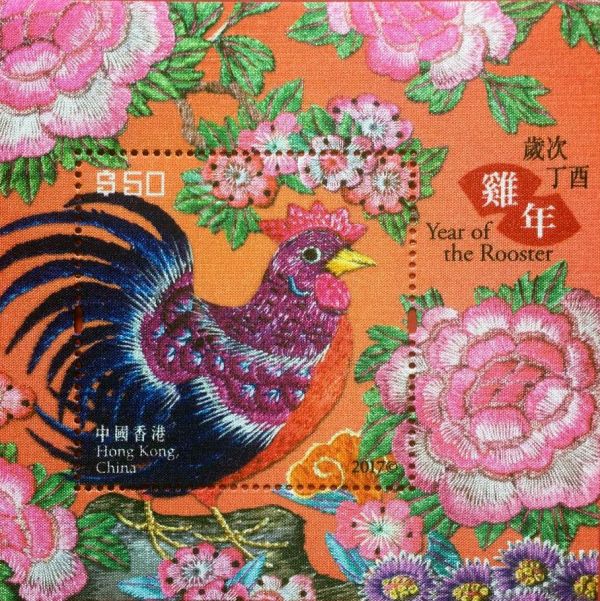
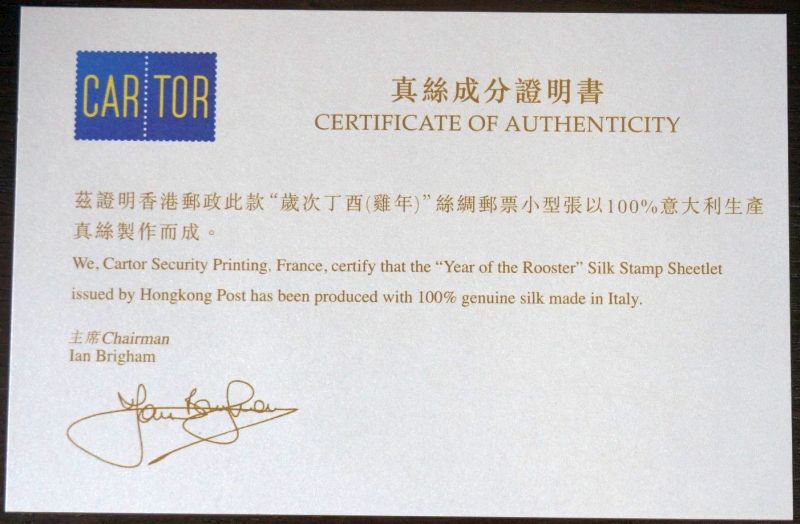
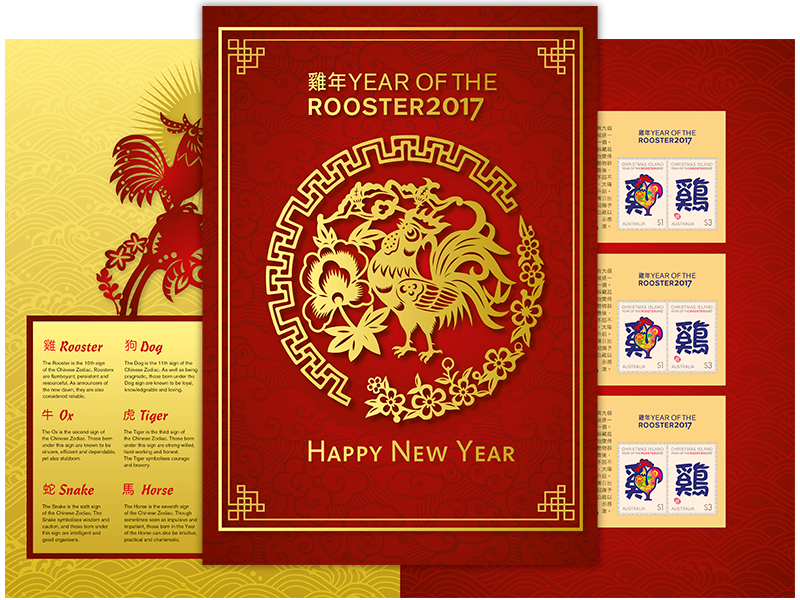
12-12-1958 - Polonia / Poland: seta / silk 12-03-1963 - Germania Est / East Germany: 'dederon' (= polyamide) 30-09-1969 - Bhutan: rayon (artificial silk) 01-06-1971 - Grenada: seta / silk 03-1972 - Grenada: seta / silk (tipo del 1971 con sovrascritta / overprinted) 1982 - Mongolia: seta artificiale / artificial silk 1982 - Mongolia: seta artificiale / artificial silk (overpr. Italy Champion) 29-11-2001 - Italia / Italy: 'francobusta' in seta / silk varietà "fazzolettini" varietà "pure silk made in Italy" varietà "senza denominazione" 20-01-2005 - Afghanistan: seta artificiale / artificial silk 10-09-2006 - Cina / China: seta artificiale / artificial silk 2006 - Mongolia: seta artificiale / artificial silk 10-02-2007 - Cina / China: seta artificiale / artificial silk 15-01-2008 - Cina / China: seta artificiale / artificial silk 01-04-2008 - Cina / China: seta e oro 24K / silk and 24K gold Due fogli arrotolati in seta tiffany, ognuno con 142 francobolli personalizzati dedicati alla torcia olimpica, con due diverse tipologie di etichette ed al centro un mappamondo in foglia d'oro 24kr; distesi i rotoli misurano 188x60cm, i minifogli interni 100x46,5cm 08-08-2008 - Cina / China: seta artificiale / artificial silk 29-10-2008 - Marocco / Morocco: seta artificiale / artificial silk 07-11-2008: Marocco / Morocco: seta artificiale / artificial silk come il precedente, ma con ceramica affissa, stampato in Cina e venduto a collezionisti presso l'ambasciata cinese in Germania, per favorire il fondo destinato allo sviluppo del Marocco 19-12-2008 - Polonia / Poland: seta / silk 18-01-2009 - Cina / China: seta artificiale / artificial silk 10-04-2009 - Cina / China: seta artificiale / artificial silk 06-02-2010 - Cina / China: seta artificiale / artificial silk 10-01-2011 - Cina / China: seta artificiale / artificial silk 12-09-2011 - Cina / China: seta artificiale / artificial silk (minifoglio speciale da quattro) 14-01-2012 - Hong Kong: seta / silk 22-11-2012 - Taiwan: silk paper 26-01-2013 - Hong Kong: seta / silk 20-03-2013 - Taiwan: silk paper 03-07-2013 - Cina / China: seta artificiale / artificial silk 21-08-2013 - Marocco / Morocco: pure silk 06-09-2013 - Portogallo / Portugal: silk 11-11-2013 - Liechtenstein: silk 07-01-2014 - Christmas Is.: silk (only in folder) 11-01-2014 - Hong Kong: seta / silk 01-03-2014 - Macao: pure silk 08-03-2014 - Lussemburgo / Luxembourg: silk 25-06-2014 - Niger: nylon paper 21-07-2014 - Madagascar: silk 28-08-2014 - Cina / China: silk 05-01-2015 - Christmas Is.: silk (in folder) 24-01-2015 - Hong Kong: silk 15-02-2015 - Canada: rayon 15-04-2015 - Maldive: seta / silk 01-07-2015 - Singapore: silk 01-07-2015 - Singapore: silk (special ed. - 2000 pezzi) 09-09-2015 - Jersey: seta / silk 08-10-2015 - Taiwan: seta / silk 26-10-2015 - Australia: seta / silk (only 500 booklets) 16-01-2016 - Hong Kong: silk 03-02-2016 - Christmas Is.: silk - rayon paper (in folder) 26-05-2016 - Giappone / Japan: silk (only 20.000) 07-07-2016 - Colombia: silk 27-08-2016 - Cina / China: silk 07-01-2017 - Hong Kong: silk 10-01-2017 - Christmas Is.: silk - rayon paper (in folder) 14-05-2017 - Cina / China: silk 2017 - Cina / China: silk (emissione locale) 08-09-2017 - Cina / China: silk 09-10-2017 - Turchia / Turkey: silk 17-10-2017 - Hong Kong: taffeta 08-01-2018 - Christmas Is.: 1) offset - 2) silk - 3) rayon paper (5.000 folders) 27-01-2018 - Hong Kong: silk 2018 - Corea del Nord / North Korea: silk 09-06-2018 - Cina / China: silk 29-10-2018 - Centrafricana / Central Africa: silk 29-10-2018 - Sierra Leone: silk 05-11-2018 - Cina / China: silk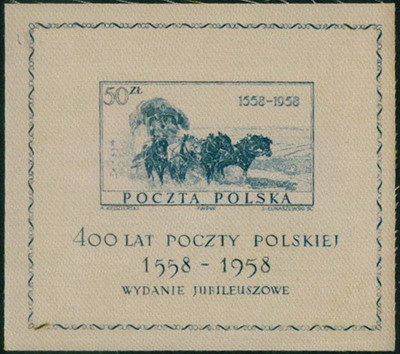
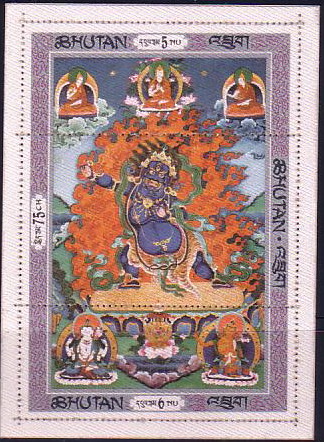
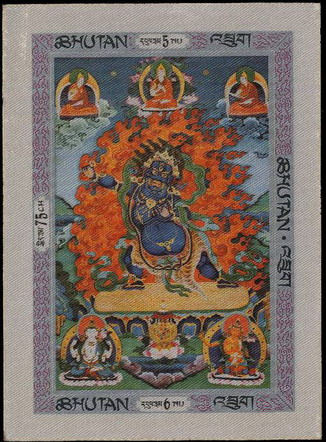
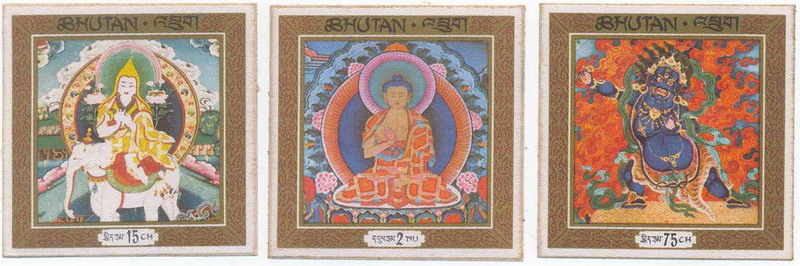
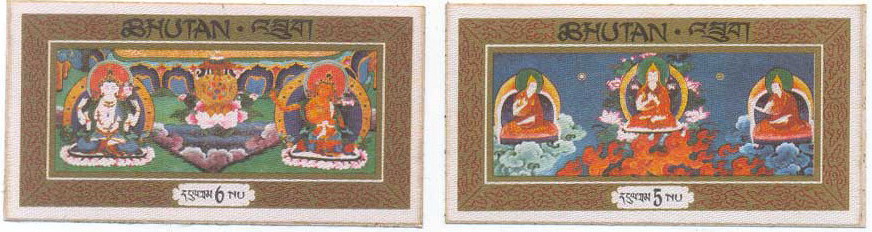


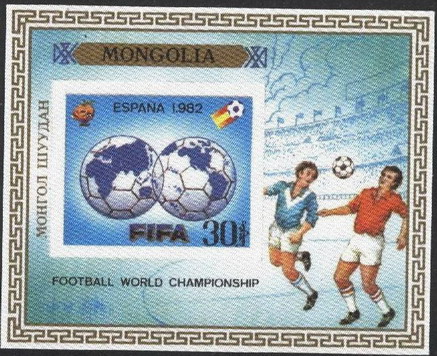
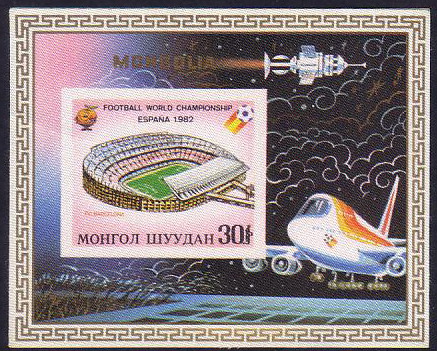
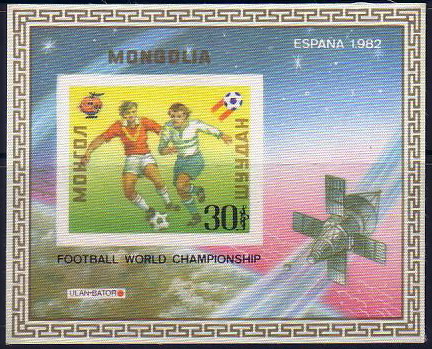
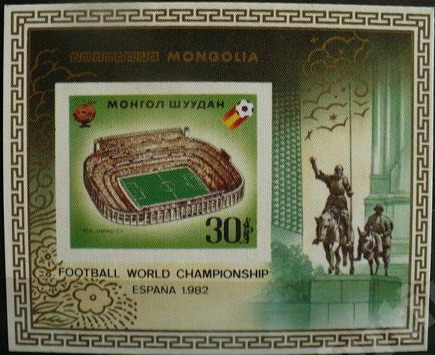
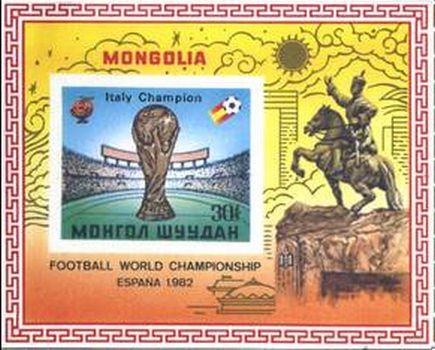
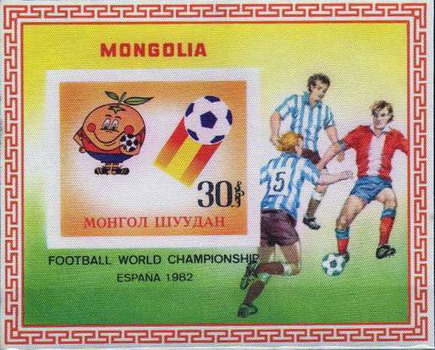
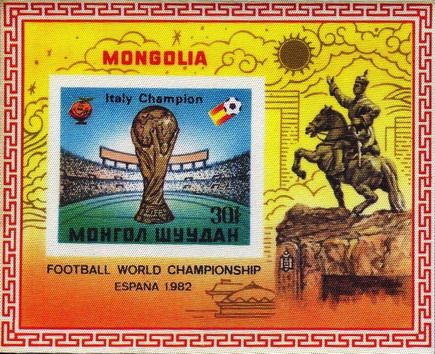
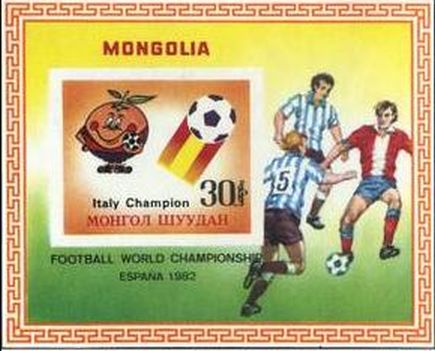
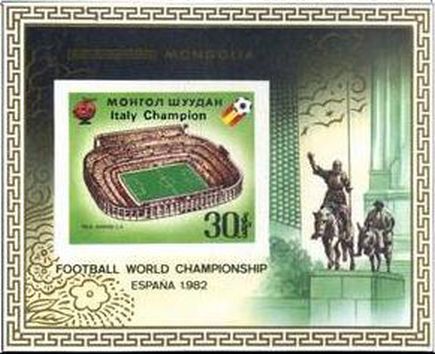
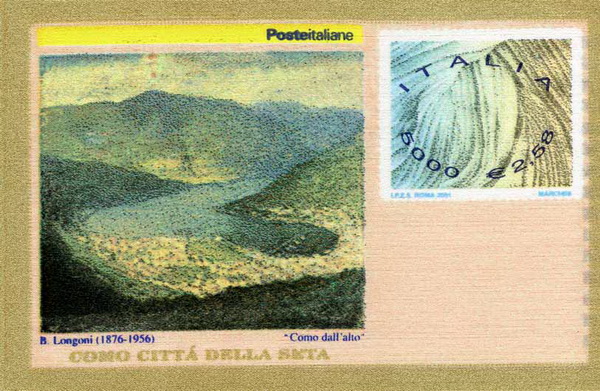
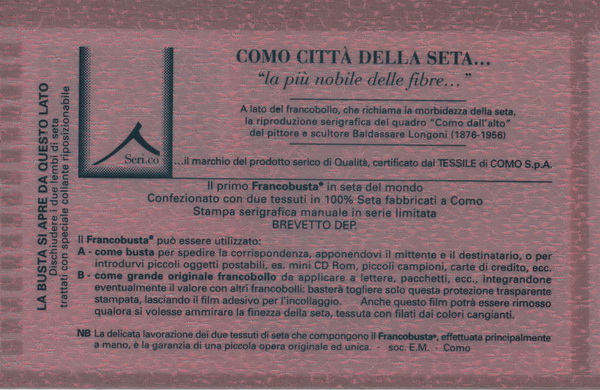

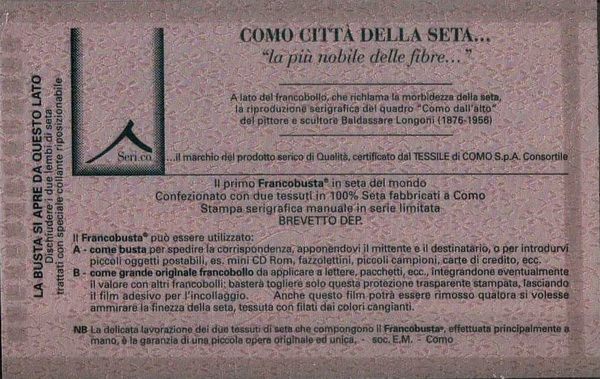

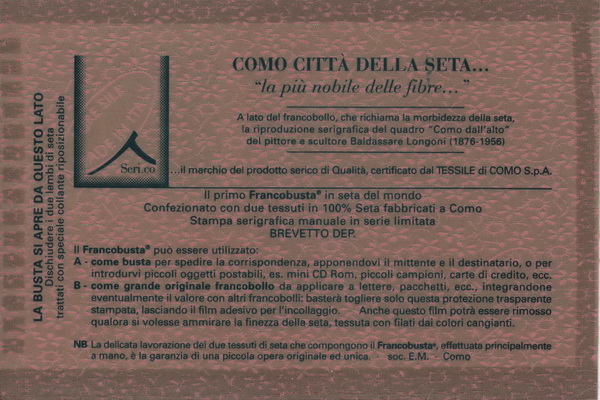
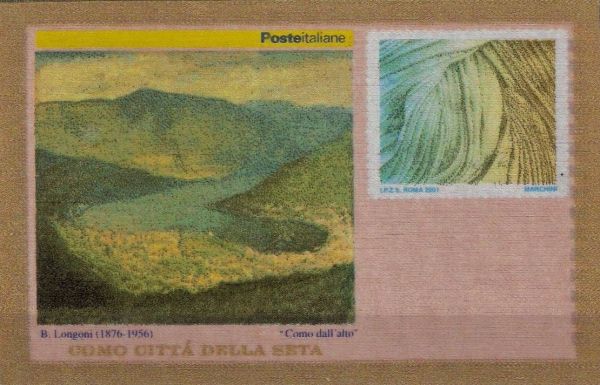
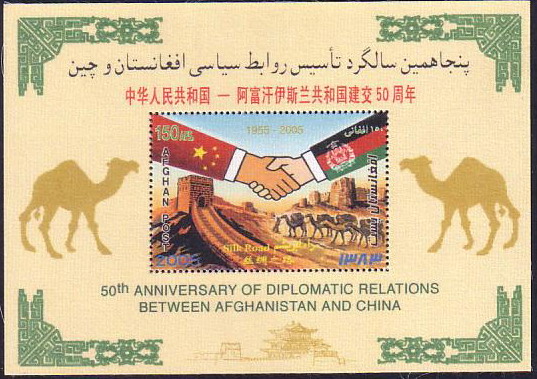
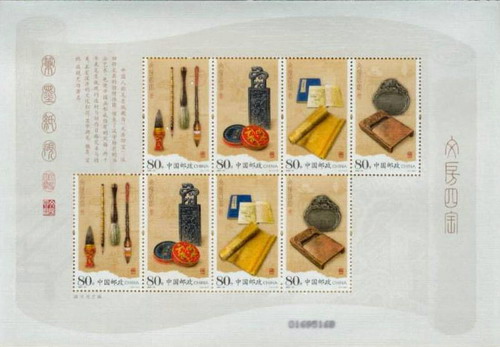
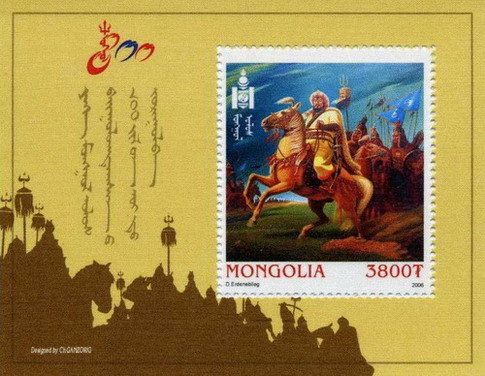
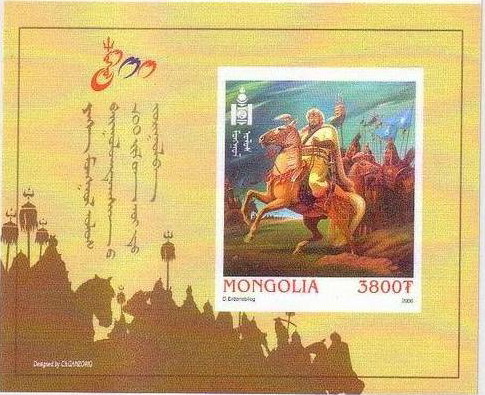
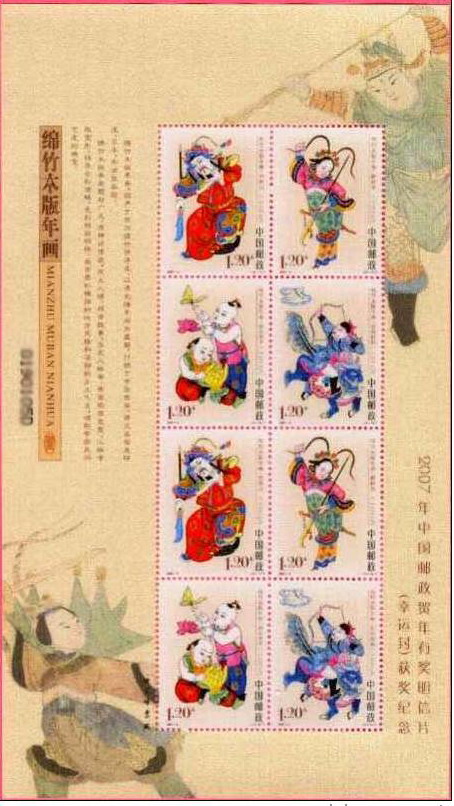
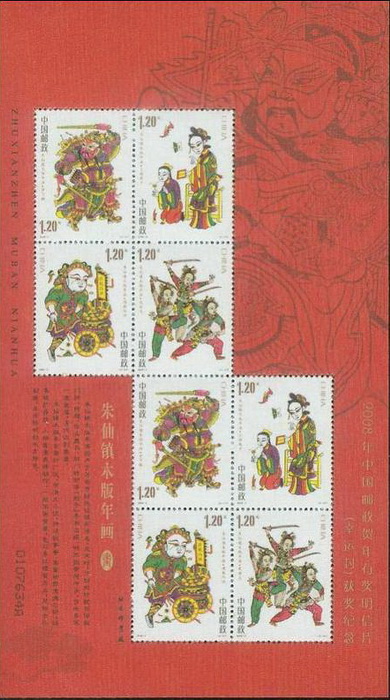
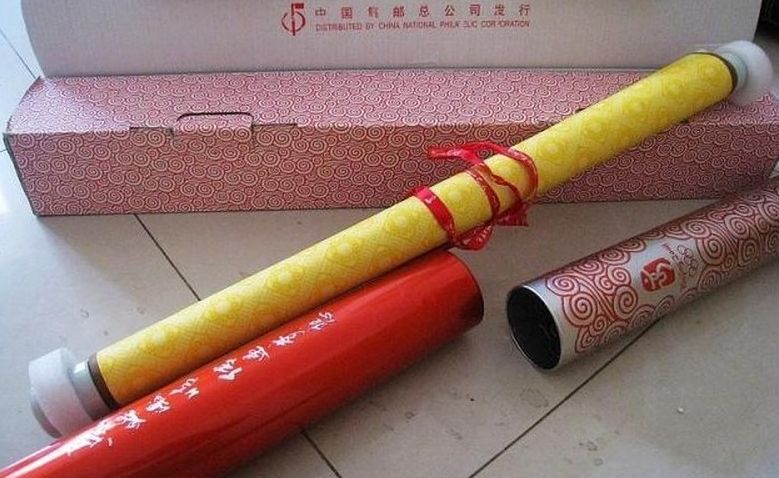

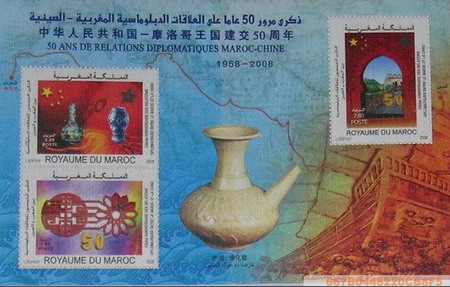
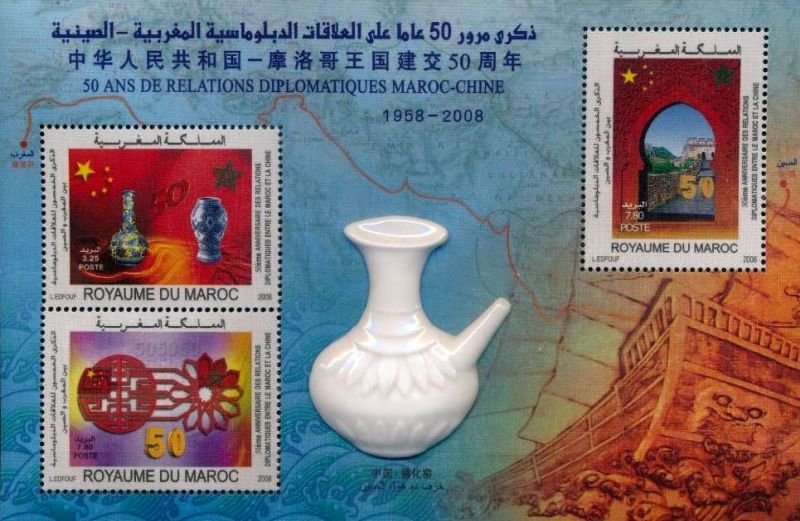
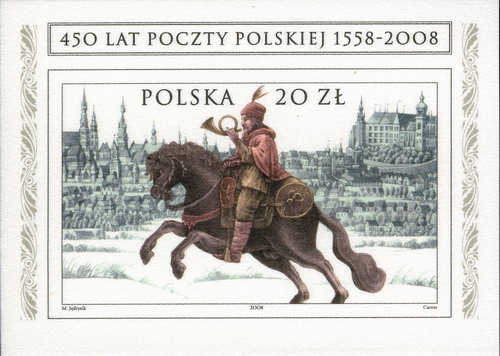
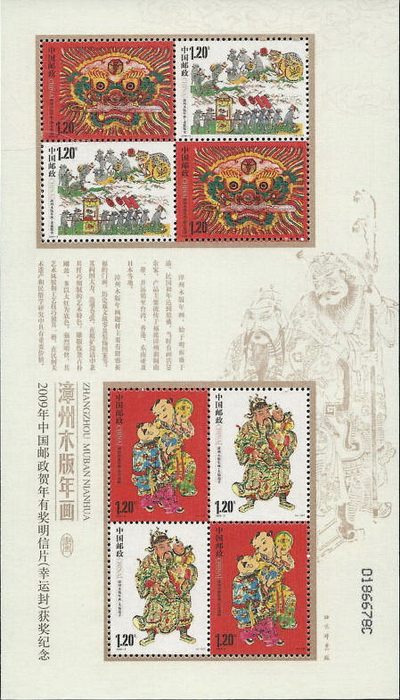
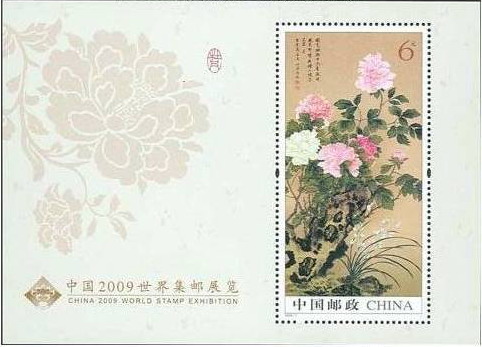
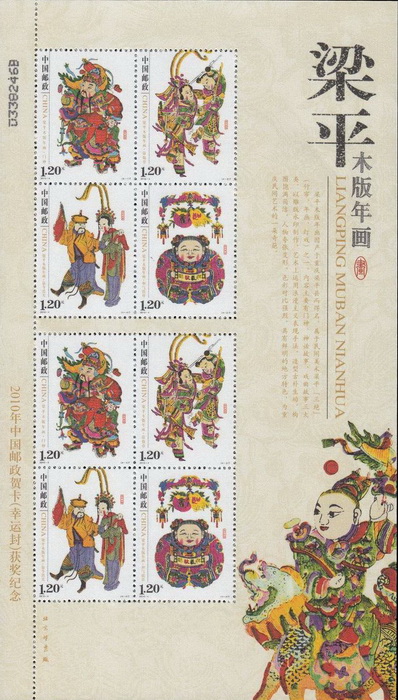
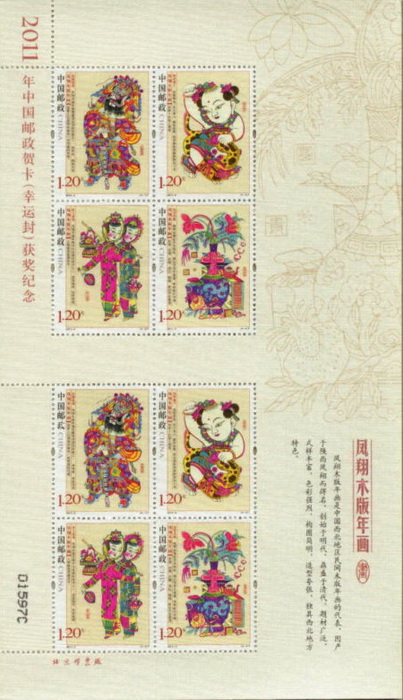
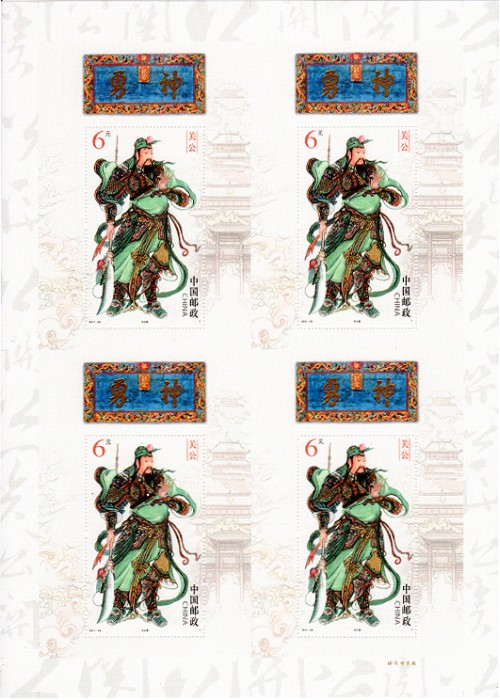
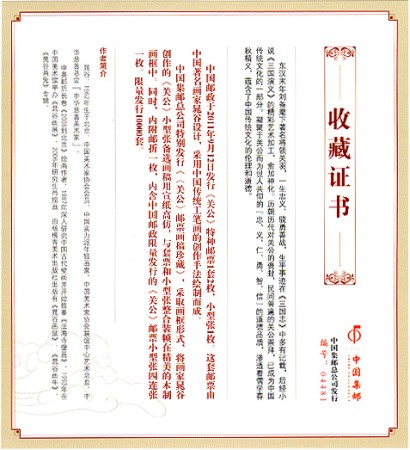

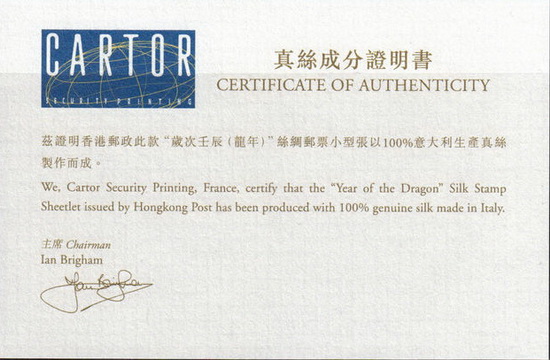
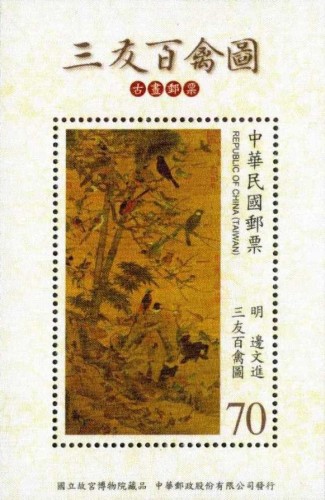
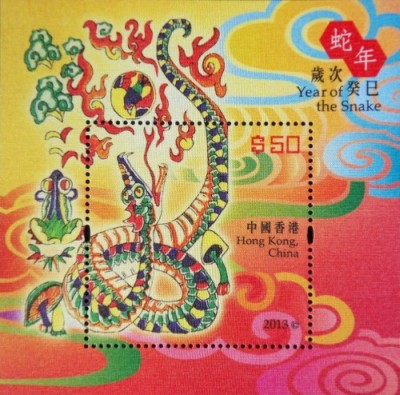
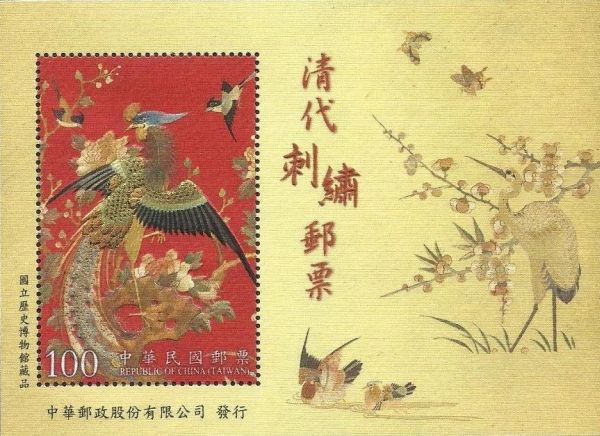
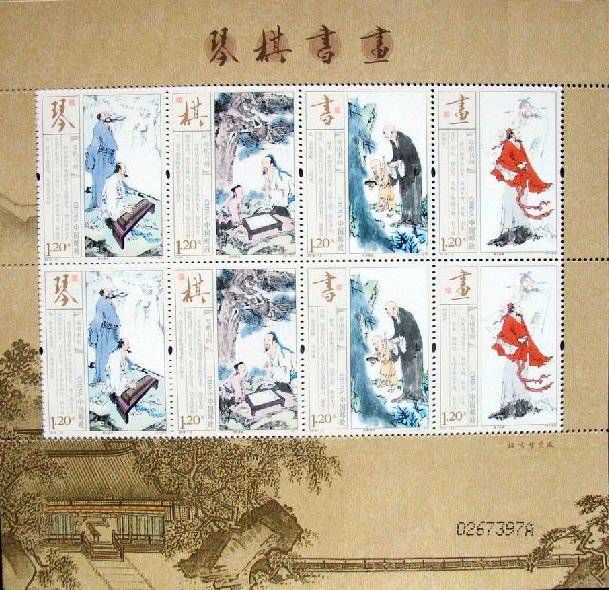
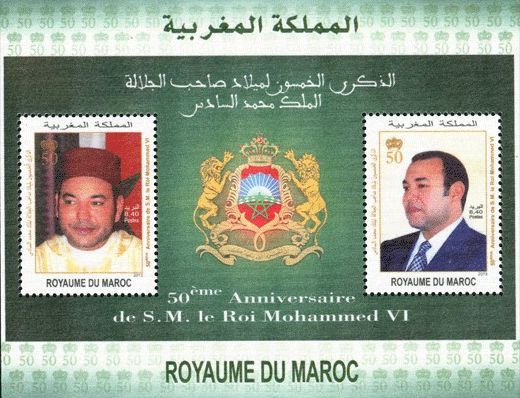
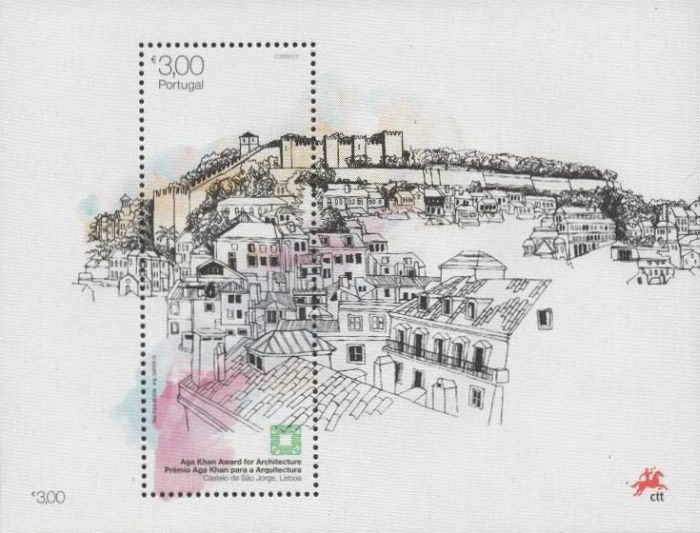
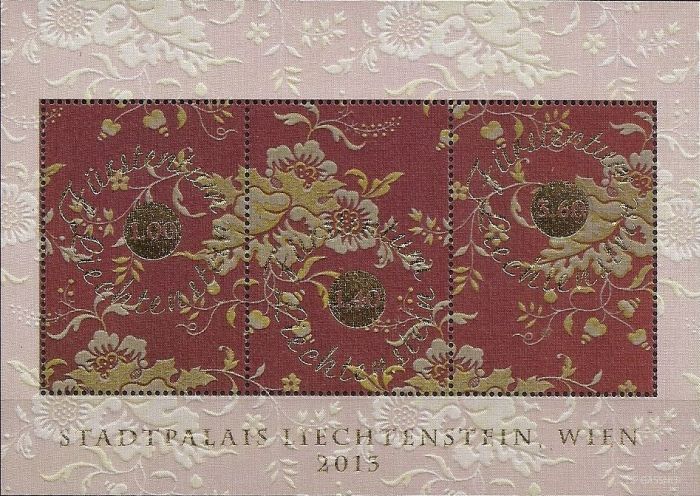
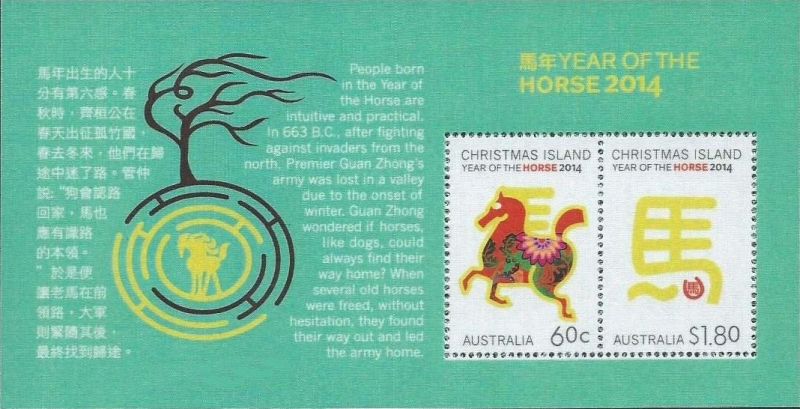 - silk
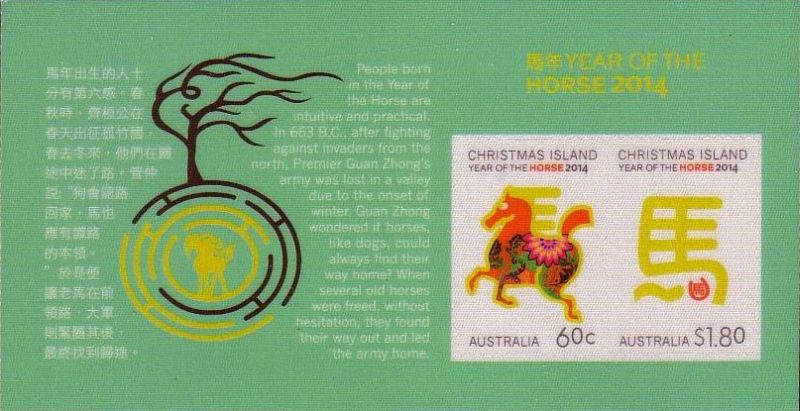 - rayon paper
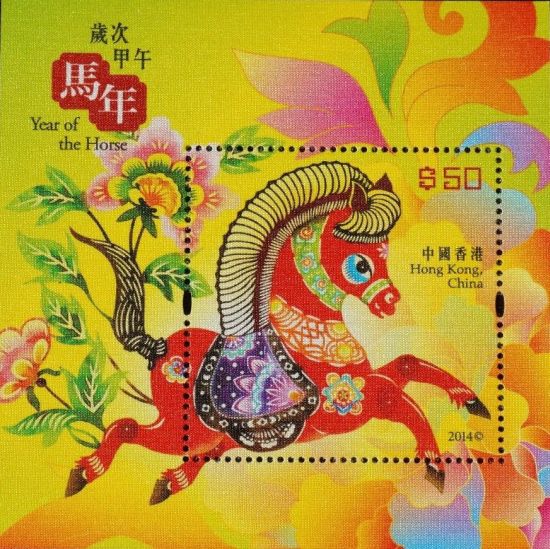

 - silk
 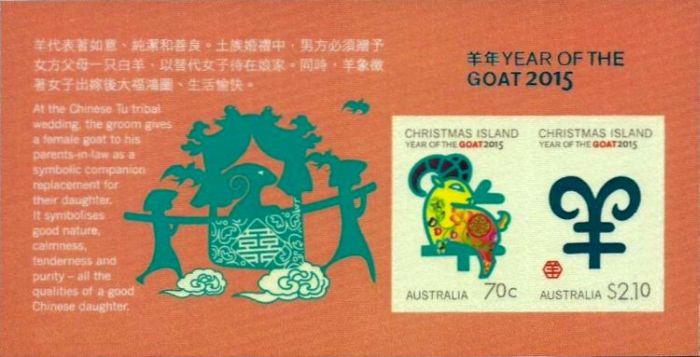 - rayon paper
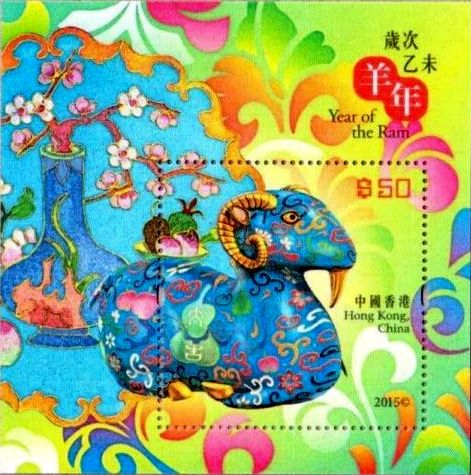
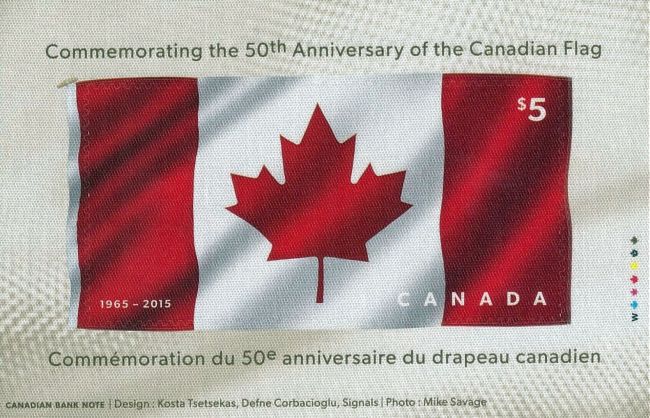
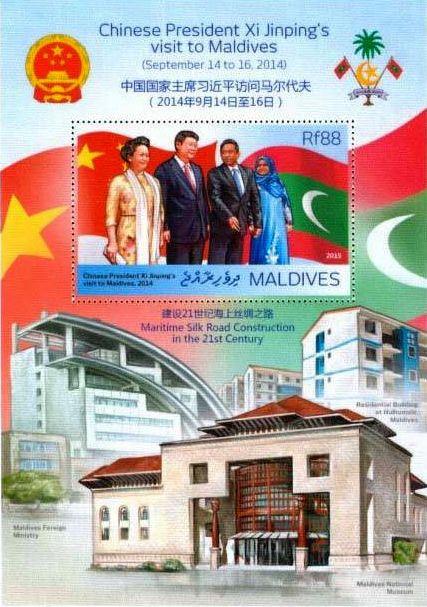
 - silk
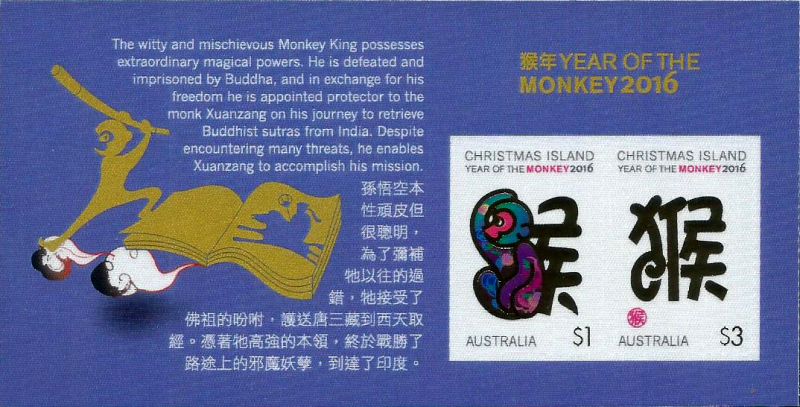 - rayon paper
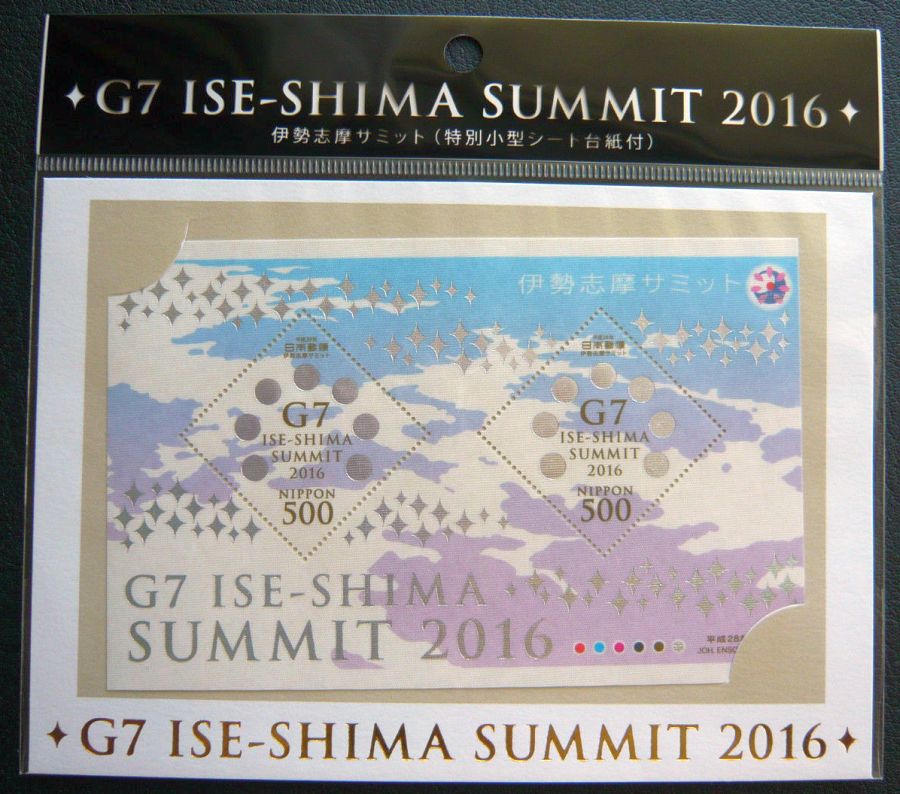
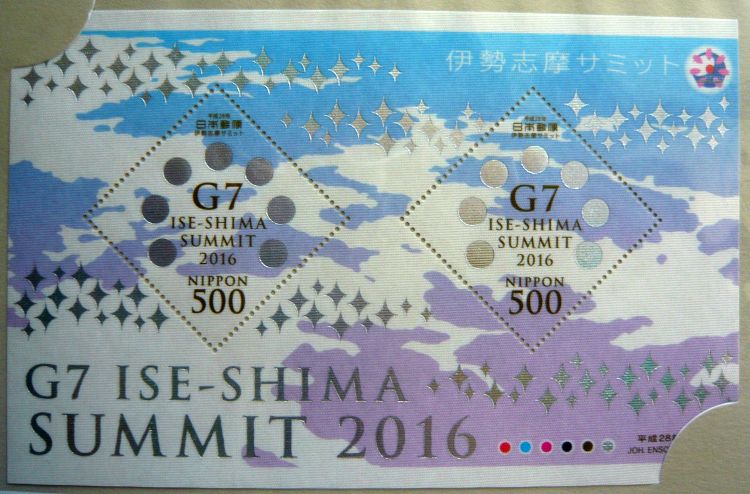
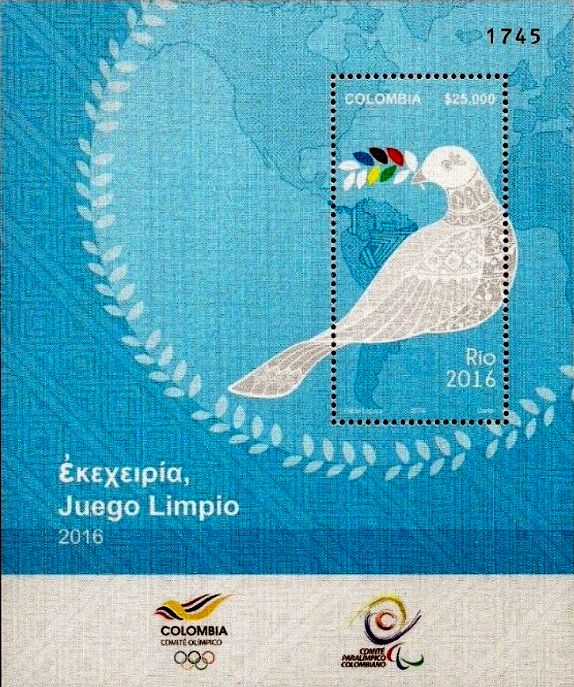
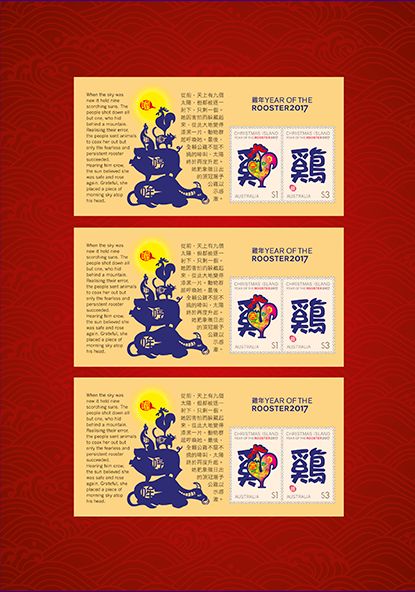
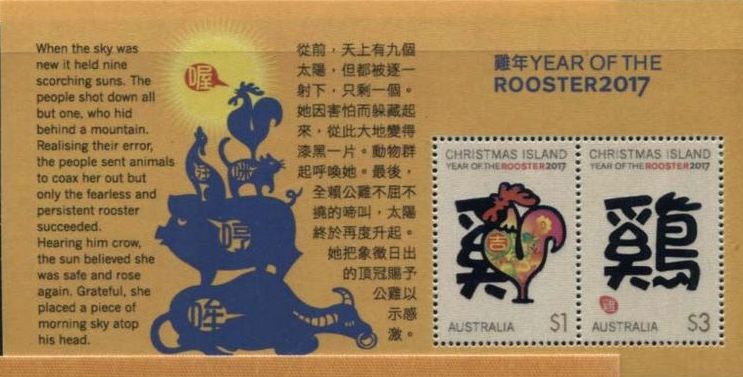 - silk
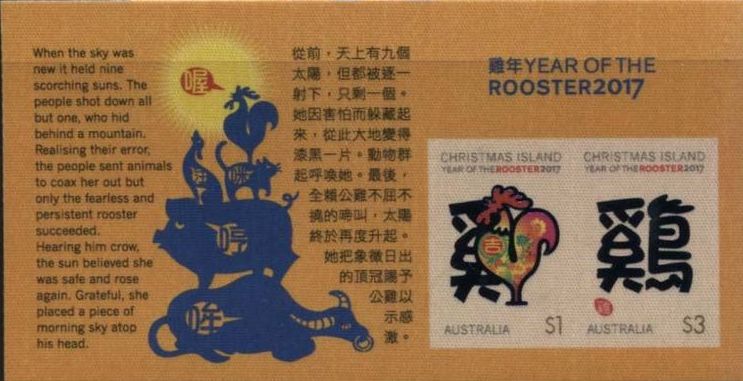 - rayon paper
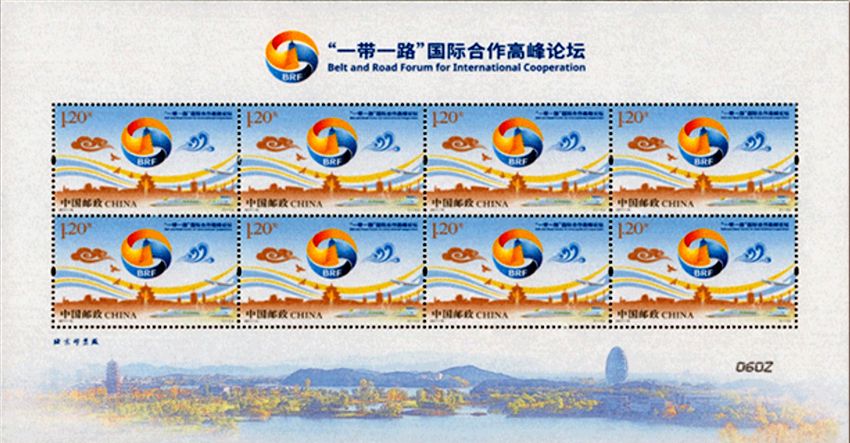
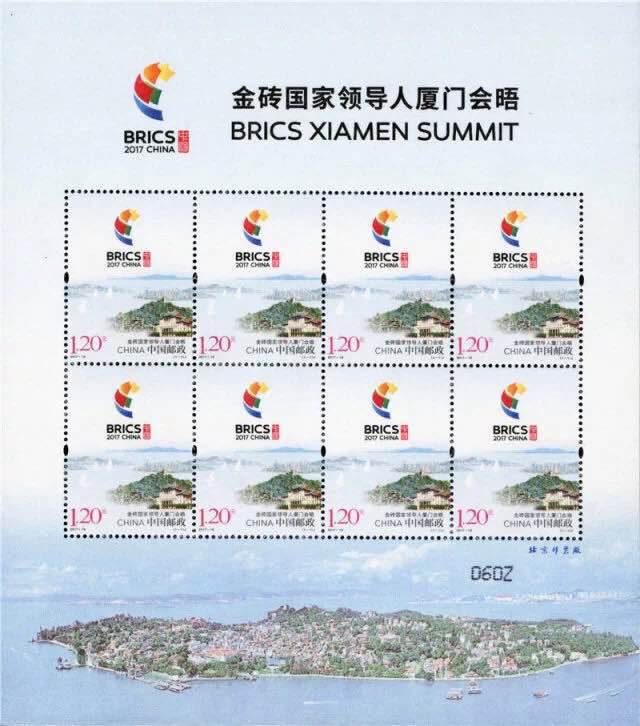
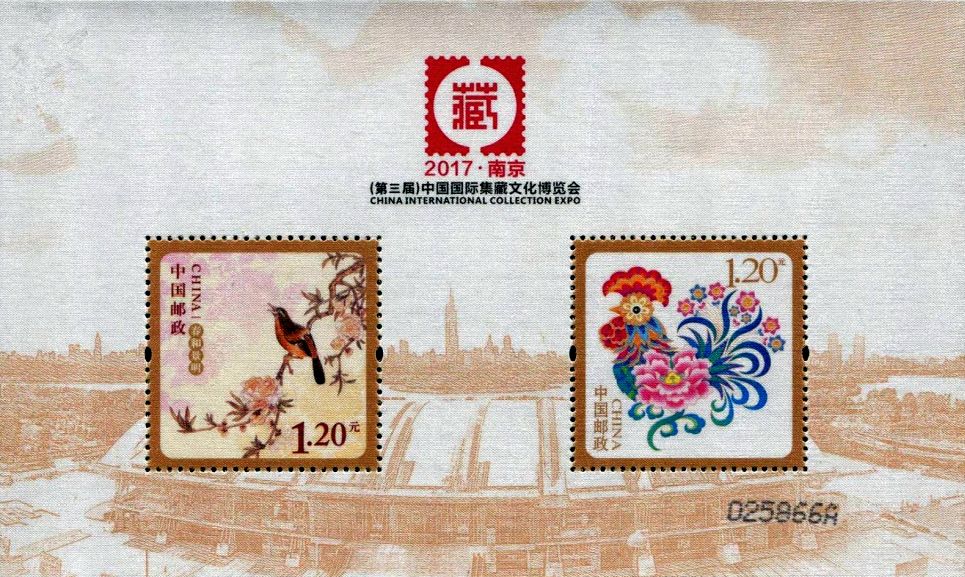
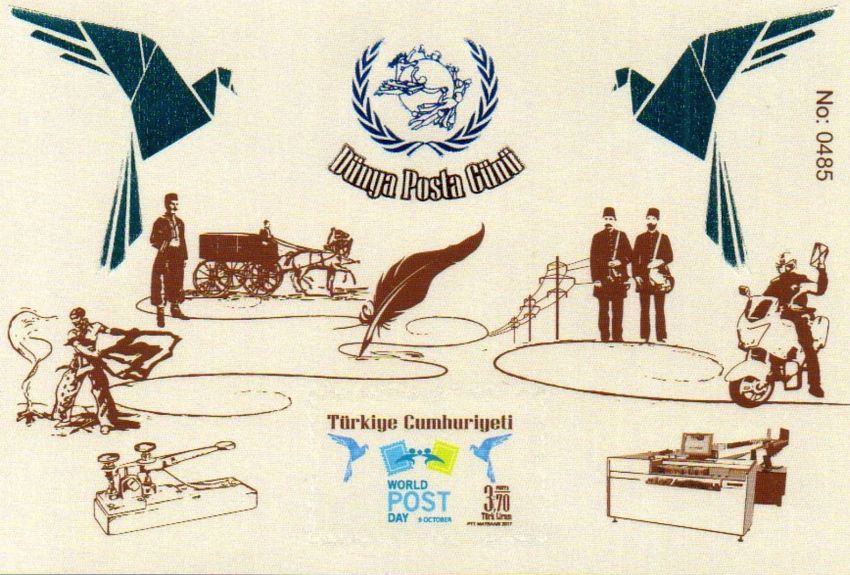
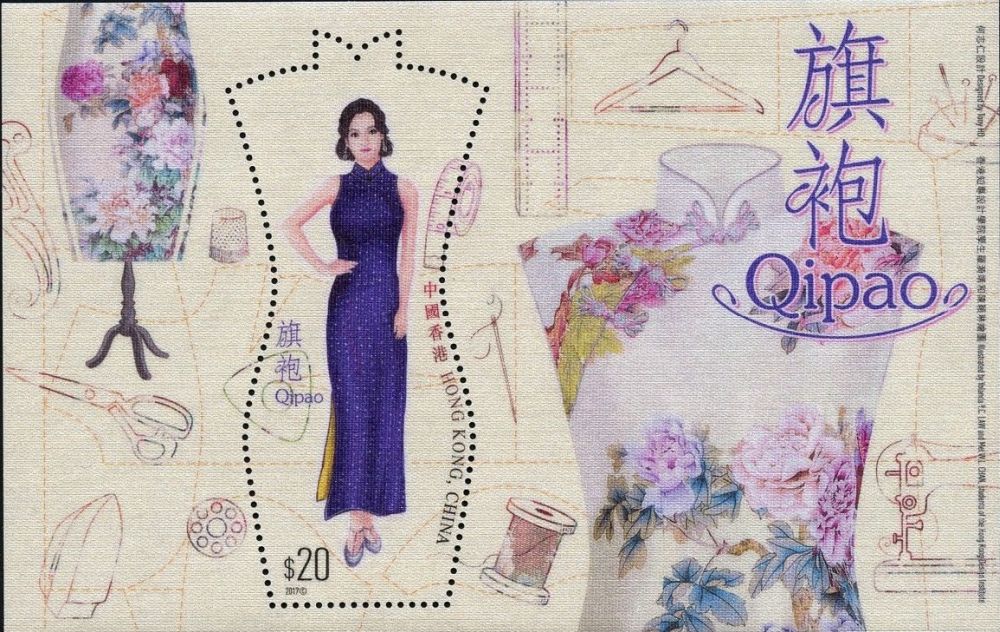
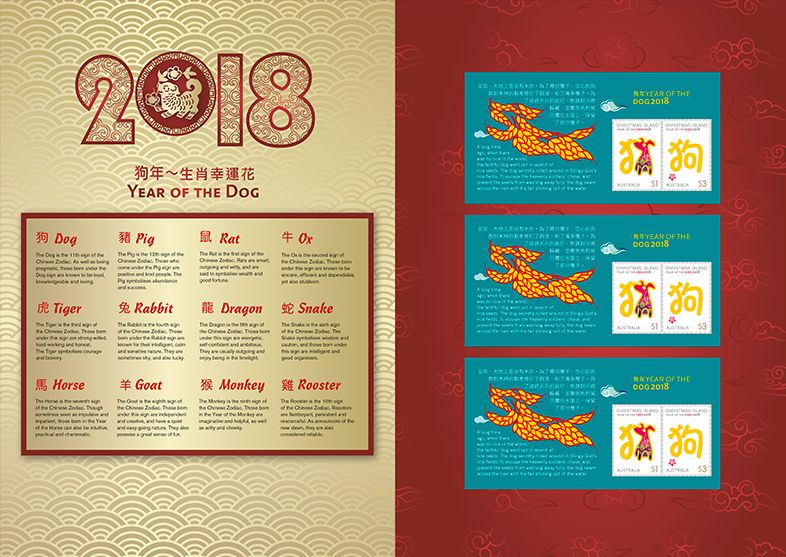
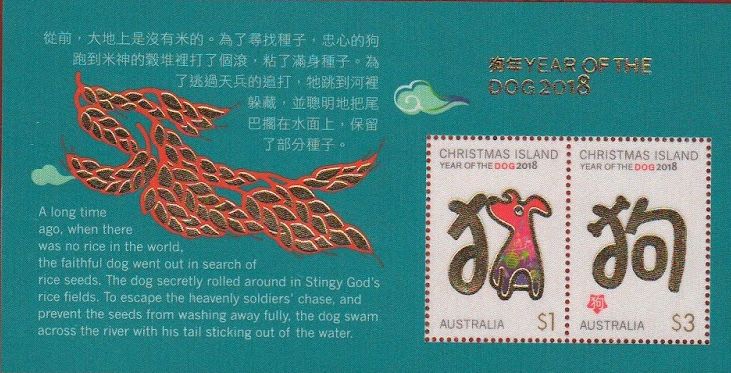 - silk
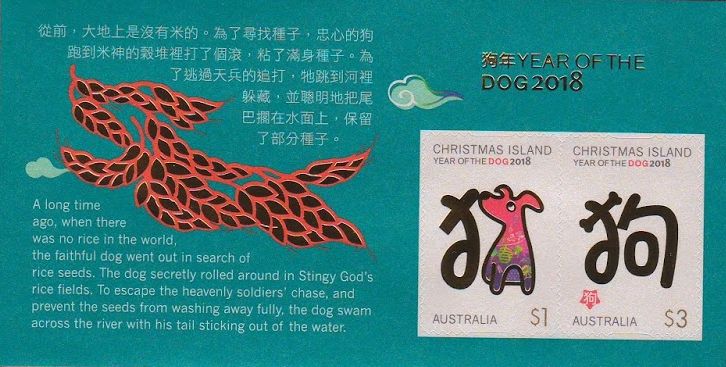 - rayon paper